

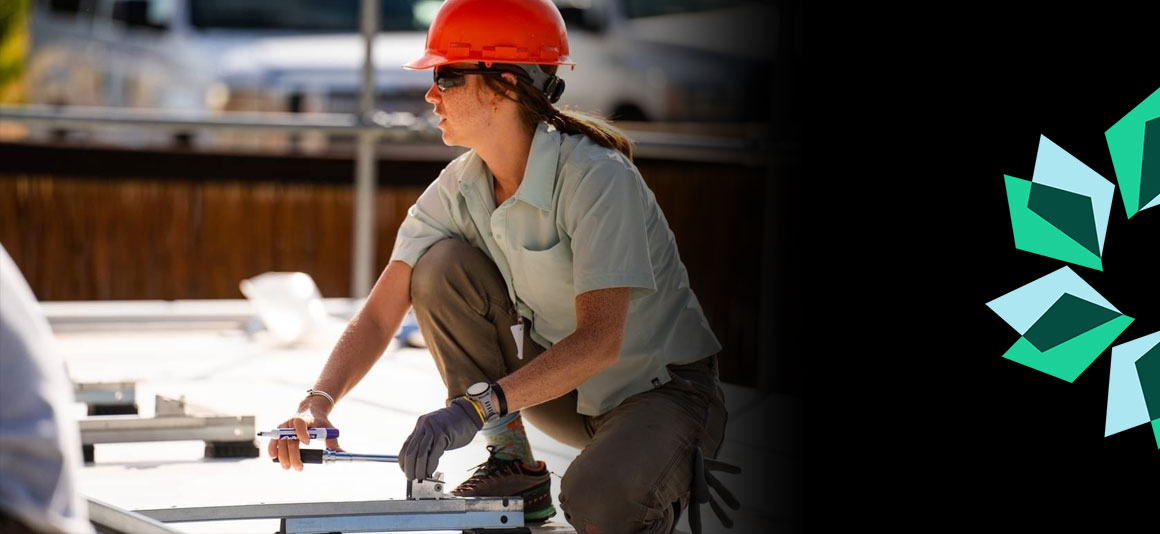
3 Things Every Solar Asset Manager Should Know
If you manage properties with solar assets, you can’t afford to be expensively uninformed. Solar is often discussed as if the hard part ends when the system is installed. For an asset manager, that’s rarely the case. Solar systems are long-term physical assets interacting with roofs, real estate, changing technology, […]
Read More
Decom Solar Bolsters Team with First CFO Hire
Decom Solar, a turn-key solar decommissioning company, has announced the hiring of Jonathan Downey as Chief Financial Officer. Before joining Decom Solar, Jon co-founded Southern Current, which brought utility-scale solar and battery storage to thirteen states with projects ranging from 2 MW’s to 400 MW’s. “We’re beyond excited to have […]
Read More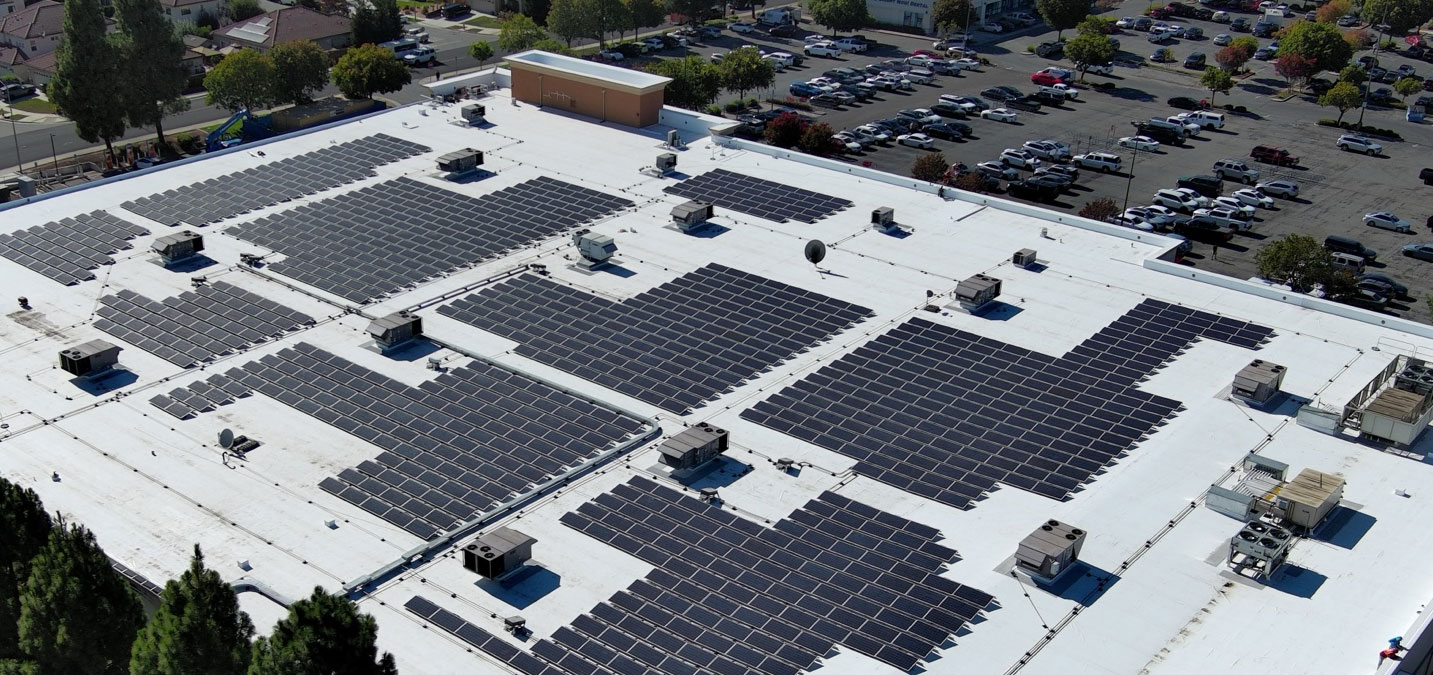
Your Solar Story: Stewardship, Public Relations, and World Building
For years, companies have installed solar for two obvious reasons. The first is practical. Lower energy costs, reduced operating expenses, and protection against rising utility rates. The second is philosophical. Solar continues to be a choice that has Mother Nature in mind. Using solar is a visible commitment to sustainability […]
Read More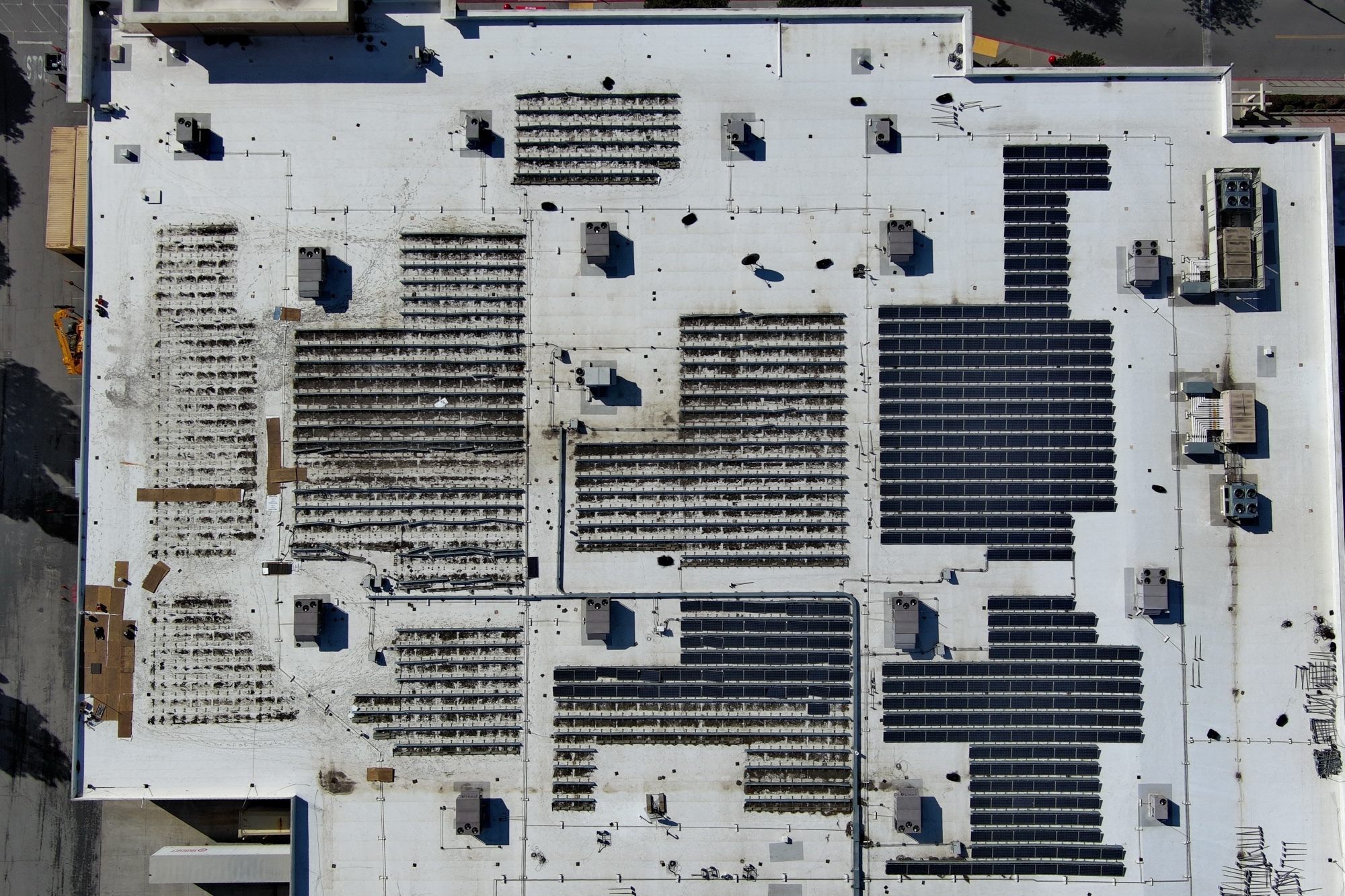
The Solar Decommissioning Wave Hasn’t Hit Yet
For years, the solar industry has focused on one thing: deployment. Not to bury the lead, but it’s probably obvious that we (and our competitors) realized that the next big phase of solar is going to be managing the end of life for these modules. We’re part of building an […]
Read More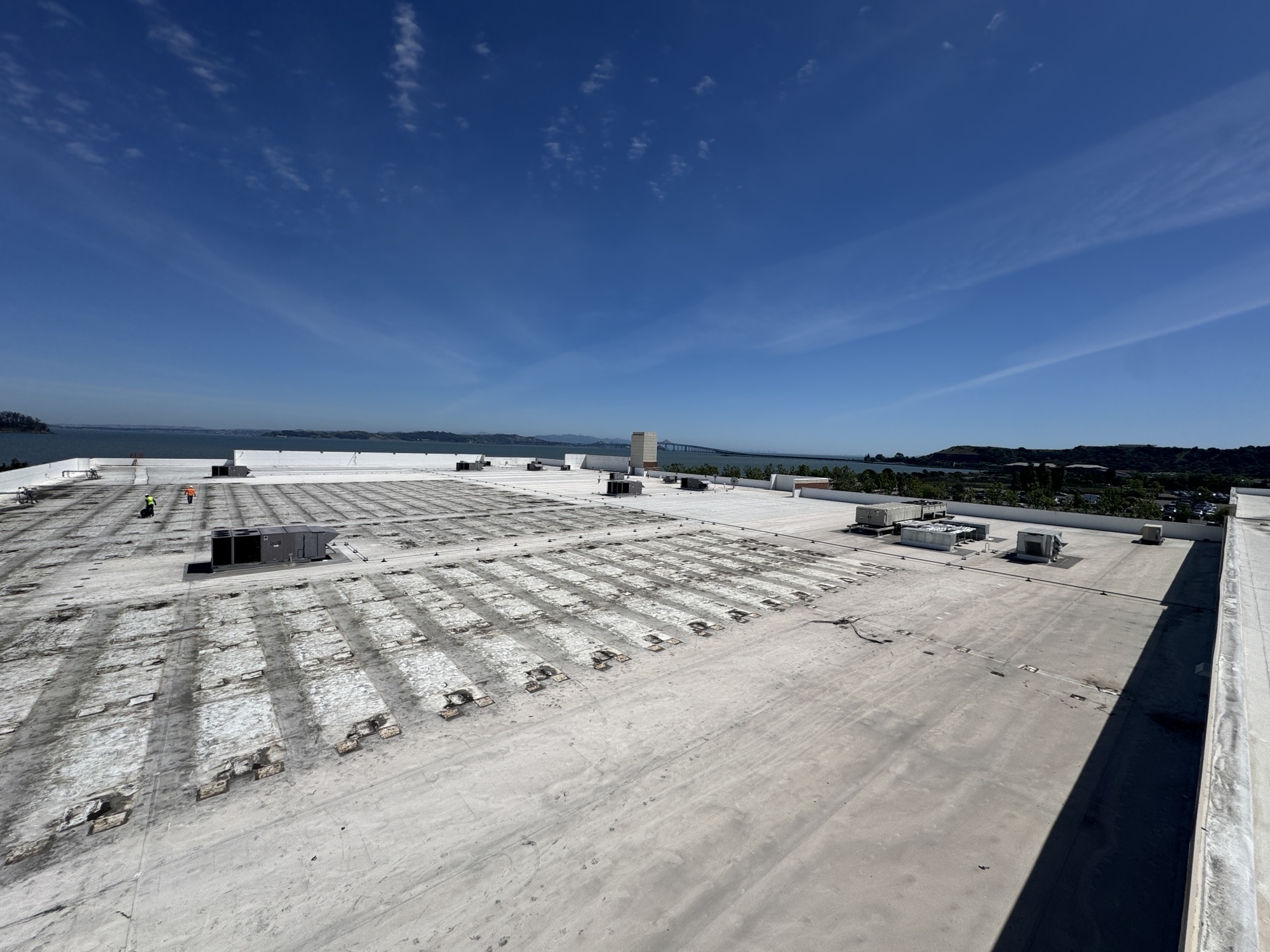
The “Happy Mistakes” Nobody Talks About in Solar Decommissioning
(When the “Worst Case” Scenario is Doubling the Solar in the World) When most people hear the phrase solar decommissioning, they assume something went wrong. In fact, while no one wants to admit it, many of our partners can silently feel shame about the solar decommissioning process. What many asset […]
Read More
Revisiting Our Earth Day Challenge to the Industry
When we’re counting our waste materials by the millions of tonnes, Earth Day isn’t a kitschy marketing play for themed middle school field trips. The spirit of Earth Day is consequential for our environment, and it’s the reason we got into solar energy, and ultimately, our mission to lead conscious […]
Read More
From End-of-Life to New Growth: Inside Our Partnership with One Tree Planted
You’re not going to believe this, but chocolate was invented over five thousand years ago. Now, what makes this interesting is that peanut butter wasn’t invented until 1884. Yet, it wasn’t until 1964 for an Ohio woman named Gail Tabor thought to combine the two. Some things just work well […]
Read More
Circular Economies, Your Aging Solar, and How You Can Practice Extreme Mutual Benefit
The solar industry was built on a simple promise: clean energy for a better future. But, as the first generation of large-scale solar projects approaches end-of-life, the industry faces an important question: what happens next? That’s where the concept of the circular economy comes in. What Is a Circular Economy? […]
Read More