Circular Economies, Your Aging Solar, and How You Can Practice Extreme Mutual Benefit
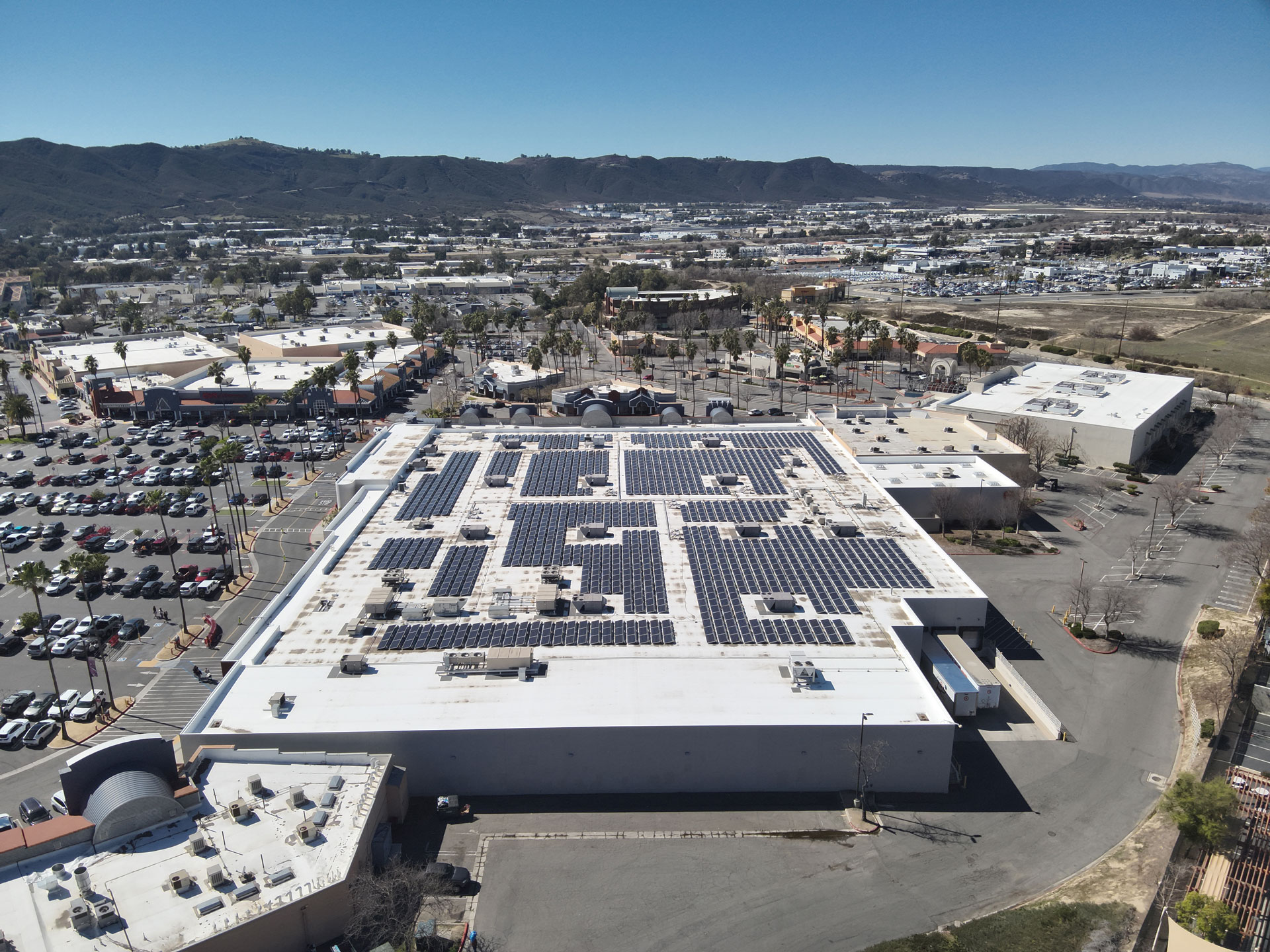
The solar industry was built on a simple promise: clean energy for a better future. But, as the first generation of large-scale solar projects approaches end-of-life, the industry faces an important question: what happens next?
That’s where the concept of the circular economy comes in.
What Is a Circular Economy?
A circular economy is a system designed to eliminate waste and keep materials in use for as long as possible. Instead of the traditional “take-make-dispose” model, circular systems prioritize reuse, repair, refurbishment, and recycling. The goal is to recover value from materials at every stage of a product’s lifecycle.
For solar, this means recovering aluminum frames, glass, silicon, silver, copper, and other valuable components from panels; never sending them to landfills. It also means designing projects from the outset with end-of-life recovery, compliance, and material stewardship in mind.
As more states adopt decommissioning requirements and recycling mandates, circularity is no longer just an environmental talking point; it is a regulatory and financial necessity.
The Growing Opportunity in Solar & Battery Recycling
According to the International Energy Agency, global solar capacity continues to expand at a record pace. That growth today becomes tomorrow’s decommissioning volume. Analysts project millions of metric tons of solar panels reaching end-of-life over the coming decades.
At the same time, energy storage is accelerating. Lithium-ion batteries used in solar + storage projects contain valuable materials including lithium, nickel, cobalt, copper, and aluminum. These materials are finite, energy-intensive to mine, and increasingly geopolitically sensitive.
Thoughtful battery recycling isn’t just about waste reduction; it’s about resource recovery, supply chain resilience, and responsible community impact.
Circularity as Compliance
Developers are navigating a rapidly evolving regulatory landscape. States and municipalities are tightening financial assurance requirements, mandating recycling plans, and scrutinizing environmental impact. Compliance now requires documented decommissioning strategies, verified recycling pathways, and transparent reporting.
Circular economy principles provide a framework that aligns environmental stewardship with regulatory compliance and long-term asset management. But implementation requires expertise, logistics coordination, and trusted recycling partnerships.
That’s where Decom Solar is positioned to lead.
How Decom Solar Supports Developers
Decom Solar helps developers integrate circularity into project lifecycles from planning through decommissioning. By providing structured removal, responsible material segregation, and verified recycling pathways, Decom Solar ensures projects meet both environmental goals and compliance obligations.
Beyond regulatory alignment, Decom Solar recognizes that circularity is also about community impact. One of our many options for decommissioning your solar systems is to put them to use in underprivileged communities, for example.
Solar panel recycling can be structured to support under-resourced communities through workforce development partnerships, material recovery programs, and responsible siting of recycling infrastructure. Rather than burdening vulnerable communities with waste, circular models can create skilled jobs and economic opportunity. (Read our Recycling Case Study with Infineon)
Similarly, battery decommissioning demands a higher level of care. Recovering valuable metals through certified recycling channels reduces environmental risk, lowers pressure on raw material extraction, and supports a more secure domestic supply chain. Done thoughtfully, battery recycling transforms what could be hazardous waste into a strategic asset.
The Future Is Lifecycle-Focused
The solar industry’s next chapter will be defined not just by how much capacity we install, but by how responsibly we manage the equipment coming offline.
Circular economies turn end-of-life into a beginning: materials re-enter production cycles, compliance becomes proactive rather than reactive, and communities benefit rather than bear the burden.
For developers seeking long-term resilience, regulatory confidence, and meaningful sustainability impact, circularity isn’t optional.
It’s the future.
And, Decom Solar is built to help lead it. Let’s start the conversation.